Showing posts with label void fill. Show all posts

Monday, November 18, 2019

Helpful Tips for Ordering Packaging Supplies in Bulk

If you are tasked with ensuring that your packaging and shipping operations run smoothly and without interruption, it is critical that you keep your team supplied with the materials they need to be productive. It is also important that you do what you can to control shipping-related costs. Buying shipping supplies in bulk can help you achieve both your operational and financial goals.
This approach to purchasing also allows you to cut back on the number of “to do” items on your list. Instead of having to purchase more materials weekly or monthly, you might only have to do so quarterly or every six months.

ordering-packaging-supplies-in-bulk 

When and Why You Should Look into Buying Shipping Supplies in Bulk

When should you research bulk packaging and shipping supplies? 
Really any time is a good time to do some comparison shopping. Whether you choose to buy supplies at that time or not, you will have the information you need to make an informed decision. 
Being proactive tends to be better than feeling pressured to make a quick choice between purchasing a short-term supply or buying in bulk. Faster decisions may be required in certain situations, such as:
  • ✔ Your existing stock is running low. If you wait until there is an urgent need to replenish your supplies, you are likely to make the smaller purchase that you are familiar with. That quantity will keep your shipping operations going, but you will miss out on the benefits of buying in bulk.
  • ✔ You become unhappy with your existing supplier. If your relationship with your existing provider sours because they raise their prices an unreasonable amount, they start providing subpar service, or some other reason, you may find yourself eager to switch to a new supplier.
  • ✔ You start shipping new products. If your company introduces new products to its line and they will require different shipping materials, it is very helpful to know your options for accommodating this change in your shipping procedures.
  • ✔ Your company is looking to reduce costs. Knowing what your bulk purchasing options are can be key if your company launches a cost-control initiative and looks to you for what your contribution to the effort will be. 

Shipping Supplies You Can Buy in Bulk

There are many types of packaging and shipping supplies that you can buy in large quantities. Four of the items that can deliver the biggest benefit are:
  • ✔ Shipping cartons. Outside of what you pay to carriers, the cost of shipping cartons is probably one of your biggest shipping-related expenses. Getting a discounted rate for buying boxes in bulk can produce significant savings.
  • ✔ Cushioning material. If the items you ship are breakable, you never want to skimp on cushioning like air pillows or paper void fill. Having a good supply can prevent situations where a shipping team member tries to use “just enough” material in each carton in order to make a dwindling supply last a little longer.
  • ✔ Water-activated tape (WAT). The great thing about water-activated tape (also called gummed tape) is that it comes in rolls that don’t take up much room in storage. Consequently, you can purchase a supply that will last for many months and not struggle with where to store it.
  • ✔ Water-activated tape dispensers. Especially if you are making the transition to WAT, buying multiple dispensers to ensure you can accommodate any planned growth in shipping volume, or just temporary surges, is a good idea.

Why Tape May Be Your Most Important Packaging Supply

From cartons to packing peanuts, all the supplies you use are important. Perhaps most important of all, however, is your carton sealing tape. 
WAT delivers a wide range of benefits that you do not get from other types of tape. For example, its strong, one-strip seal makes shipping operations more efficient. The seal is also very weather-resistant, which helps to protect your shipped items. Plus, WAT provides enhanced theft prevention and security by discouraging “press and grab” thefts.  
If you are wondering if your company is using the right type of tape, this resource can help. You can also get a complimentary roll of WAT if you are interested in checking it out. 
Plus, we’re always happy to answer your questions. Contact us at your convenience.

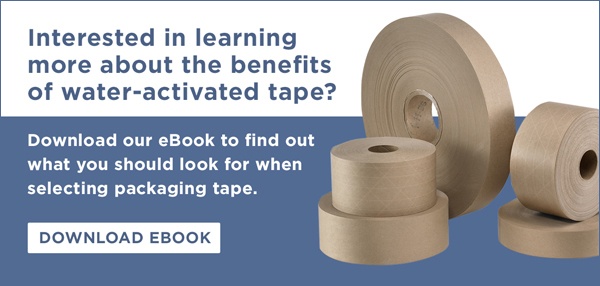
Packaging Tape Download Offer


[This post republished from the 
Better Packages Blog]

Wednesday, August 14, 2019

Bubble: Benefits & Strength

Bubble Comes in Two Primary Categories:


1. VOID FILL
Void fill is filling in excess space around products in a box or container, protecting them against damage.

Typical applications:
– Shipping giftware
– Shipping books
– Shipping small appliances
– Shipping multiple items in the same container

2. BLOCKING & BRACING
Blocking and bracing is securing products in a box or container to prevent them from shifting, sliding, moving, or colliding.

Typical applications:
– Shipping books
– Shipping jewelry
– Shipping fragile Items
– Shipping computer monitors
– Shipping precision gears
– Shipping sculptures
– Shipping Un-assembled furniture

These two categories go hand-in-hand as all empty space should be filled in order to block and brace effectively.

Pack station using Polyair AirSpace G6 machine and bubble-on-demand

Pros of Bubble

✔ Comes in different sizes and film thicknesses.
✔ Comes in different forms like bags, sheets, and rolls.
✔ Offers protection against shock and vibration.
✔ Easy-to-use, reusable.
✔ Versatile: interleaving, wrapping, and cushioning.

Cons of Bubble

✘ Designed for short periods of use (days or weeks).
✘ Can be difficult to recycle (explained below).

The Use of Nylon Vs. 100% Polyethylene

Some bubble film companies use Nylon in their bubble manufacturing process. Nylon lowers the recycle number from a #4 to a #7 recycled product (where facilities exist), and also makes the bubble much less pliable. This lack of pliability, particularly evident when wrapping around corners or other sharp edges, causes some bubble products to puncture and tear much easier than products that are 100% polyethylene. With consumers becoming ever more aware of their environmental impact, but not wanting to sacrifice performance, a bubble product made with 100% polyethylene is the smartest choice.

How Do I Know Which Bubble is Best/Strongest?

Below is a graph detailing Polyair 1/2" Bubble against two Nationwide competitors. The bubble burst strengths were measured by observing the pounds of force needed to break the bubble.

5-10 tests were completed for each product. The averages are charted here:


[This post republished from the Polyair Blog
]

Friday, July 19, 2019

Protective Packaging Guide


How Do I Know If I Need Protective Packaging?


If you have a product that is fragile or has a surface that needs to be protected during transit, then protective packaging may be the answer. It can help ensure that products remain damage-free and quality is kept uncompromised during the shipping and transporting process.

Protective packaging can also be useful when shipping a product in an oversized box. It can fill the void between the product and the box. This is especially useful when shipping heavier items that could get damaged with too much shifting around during the shipping processes.

Some companies use protective packaging to create a unique unboxing and brand-centric experience for their consumers. Presentation is a very important part of the un-packaging process in the minds of consumers. Some protective packaging solutions serve a dual purpose of functionality and visual appeal. This can help create brand loyalty and return customers.

Protective packaging offers the flexibility needed to protect any shape, size, or strength of products. It comes in a range of different types so you can find right protection for your products and shipping needs.


What Kind of Protection Do I Need?


VOID FILL
Void fill is a term that can refer to any cushioning, paper, or protection added to a package. Specifically, it fills an empty space inside a package and, in doing so, restricts movement of the product(s) which prevents damage.

BLOCKING & BRACING
The purpose of protective packaging that blocks and braces is to prevent products from shifting, sliding, or moving and protect the product(s) and the vulnerable corners and edges of the secondary package (carton) from damage. In order to block and brace effectively, all empty space should be filled as well.

CUSHIONING
This is normally something that is wrapped around more fragile objects to prevent damage during transit. Cushioning can prevent scratches or scuffs on products.

SURFACE PROTECTION
Often the protective packaging solutions that provide cushioning, also provide surface protection. This protective packaging keeps the products from getting scratched, scuffed, or the exterior surface of the product from being damaged.


Types of Protective Packaging


Paper void fill & cushioning
PAPER
Paper is normally used as to cushion products, but is versatile. Paper can also be used to block and brace and as a void fill solution. Paper is normally crumpled, either by hand or machine, which provides void fill and cushioning solutions. Some machines apply stitching to the paper to provide stronger block and brace protection as well as cushioning.

BUBBLE SOLUTIONS
There are a variety of bubble solutions. There are, of course, the standard and anti-static bubble that come in rolls and pouches. Bubble also comes in cohesive and adhesive forms as well. The cohesive bubble bonds to itself and not the product, while the adhesive bubble bonds directly to the product. Bubble solutions are used for cushioning and surface protection.

Bubble-on-demand systems
INFLATABLE CUSHIONING SYSTEMS (Bubble and Pillow)
Inflatable air solutions, including air pillows and bubble films, are one of the most common protective packaging solutions today. They are stored un-inflated and flat, but can quickly be inflated with the use of a machine. Air pillows can provide void fill, blocking and bracing, or cushioning to products. They can also help keep the weight of a package down, which is important for shipping. Bubble film is meant more for cushioning products. Like other bubble products, it is often wrapped around individual products or it can be placed on the bottom, top, and sides of a carton to protect multiple/larger items.

SURFACE PROTECTION
Often the protective packaging solutions that provide cushioning, also provide surface protection. This protective packaging keeps the product from getting scratched, scuffed, or the exterior surface of the product from being damaged.

HexcelWrap fragile wrap
FRAGILE WRAP
Fragile wrap is a paper-based cushioning material. This material is wrapped around products to reduce damage. It can assist businesses in using less packaging material for fragile products and is curbside recyclable. Fragile wrap is used on products like glassware, ceramics, cosmetics, electronics, and more.

FOAM
Foam protective packaging solutions are normally used on more expensive products to provide surface protection. You will see foam on products such as furniture, appliances, and more. Foam can come in sheets or pouches and in a variety of colors. It can also be cohesive or adhesive. Cohesive foam forms a bond to itself and not the product, while adhesive foam sticks to the product. Foam products can also be laminated with a film to provide added strength. This is known as lamifoam.

Polyair Mailers
MAILERS
Mailers can be made of paper or plastic. They are durable, lightweight, customizable, and are available in a wide range of sizes. Mailers normally contain bubble to protect products from damage during shipping. These are best for smaller products and can help decrease shipping costs compared to cartons.

ANTI-CORROSION
There is a wide variety of protective packaging that offers
anti-corrosion VCI (Vapor Corrosion Inhibitor) protection. Some of these forms include poly and foam bags and films, paper, powders, and emitters. These solutions offer protection against corrosion and eliminate the use of oils rust removal, industrial degreasers, sandblasting, and more. It is important to one’s health and the environment that you choose a VCI that doesn’t include sodium nitrite. These solutions can be used in a large range of industries – automotive, heavy equipment, aerospace, electronics, precision metal, and more.


[This post republished from the Polyair Blog
]

Monday, May 20, 2019

How to Decide on 3 Key Types of Shipping Materials

A company’s shipping practices can have a significant impact on its success. From customer satisfaction to how shipping costs impact your bottom line, there are many factors to consider. This includes your choice of shipping materials.

At a glance, purchasing bulk shipping supplies can appear to be a cost-effective approach, especially if your company has high shipping volumes. However, as many organizations quickly learn, skimping on the way goods are packaged can have negative consequences. Not only are there costs associated with providing refunds or replacing damaged items, there are also the long-term effects of developing a reputation for “cutting corners” on shipping.

While having shipping insurance provides a measure of security in the event that something goes wrong, safeguarding your packages with top-tier shipping materials can be well worth the investment. In particular, the protective packaging, tape, and tape dispensers you use can support better overall results for your business.

Packing and Shipping Supplies: Protective Packaging

Paper Packaging - Polyair PaperSpace Void Fill
The material used to surround an item within a carton is, of course, critical to ensuring that it arrives undamaged. Inflatable packaging, also known as bubble wrap, provides many benefits, including that it absorbs shock and is lightweight. Inflatable packaging can also be custom printed and color tinted for brand recognition.
Paper packaging is another option. It is an easy-to-use and cost-effective way to fill voids within shipping cartons and provide exceptional cushioning. Plus, it is eco-friendly and 100 percent curbside recyclable.
Yet another popular cushioning material is a product called HexcelWrap. It is an innovative paper-based wrap whose segmented design provides outstanding protection of goods such as glassware, ceramics, and generally anything fragile.  It also provides excellent packing efficiency. It is curbside recyclable and repulpable.
When temperature control is a need, products like Chill-R™ Insulated Packaging are a cold chain (i.e., temperature-controlled supply chain) solution that protects sensitive products. Chill-R is recyclable in collaboration with Goodwill® and cost-effective.

Packing and Shipping Supplies: Tape

Ensuring that shipping cartons stay securely sealed from one end of the shipping stream to the other is essential. Consequently, your choice in tape is very important. Plastic pressure-sensitive tape (PST) is one option and may be appropriate for some uses. However, water-activated tape (WAT) can be a better choice for a number of reasons. This includes preventing theft, which is an issue for many companies.
WAT creates a permanent bond with the surface of a carton and can produce a strong, tamper-evident seal with just one strip. If you are not familiar with WAT, you can learn more in A Guide for Tape Dispensing Performance Solutions.

Packing and Shipping Supplies: Tape Dispensers

IPG Water-Activated Tape and Better Pack Dispenser
A second factor in the sealing of shipping cartons is the type of dispenser you use. Your selection affects everything from safety to productivity. The hand-held tape guns commonly used with PST pose a few different risks. One is the potential for injury from the tape-cutting blade as the device is used. Another is risk of repetitive use injuries that can cause shipping team members to miss work and potentially require treatment.
If WAT is chosen for package sealing, there are two types of dispensers: manual and electric. Both support high productivity and can improve packing station safety. As a result, they can help improve your financial results.
Wondering which type of dispenser is right for your organization? Our tape dispenser selection flowchart can help you make the right choice.

A Ready Resource for Your Packaging Material Decisions

Investing in the right packing materials for shipping has many benefits. There is, of course, much to consider as you make your choice, including a variety of resources like our How to Exceed eCommerce Shipping Expectations guide. If you need guidance from one of our product experts, we’re happy to help! Contact us today.

A Guide For Tape Dispensing Performance Solutions


[This post republished from the 
Better Packages Blog]

Friday, August 3, 2018

Polyair Joins the IPG Family!

- Acquisition of protective packaging offering strengthens IPG's product bundle -


Press Release 

Intertape Polymer Group Completes Acquisition of Polyair Inter Pack (PDF)

About Polyair Inter Pack Inc.

Prior to the acquisition, Polyair Inter Pack Inc. was a privately-held company, having dual headquarters in both Toronto, Ontario and Chicago, Illinois. Polyair is one of the more significant manufacturers of protective packaging, operating seven manufacturing facilities and employing approximately 600 employees across North America. Its products include bubble cushioning, foam, mailers and air pillow systems. For more information, visit www.polyair.com.

About Intertape Polymer Group Inc.

Intertape Polymer Group Inc. is a recognized leader in the development, manufacture and sale of a variety of paper- and film- based pressure sensitive and water-activated tapes, polyethylene and specialized polyolefin films, protective packaging, woven coated fabrics and complementary packaging systems for industrial and retail use. Headquartered in Montreal, Quebec and Sarasota, Florida, IPG employs approximately 3,400 employees with operations in 27 locations, including 20 manufacturing facilities in North America, two in Asia and one in Europe. For more information about IPG, visit www.itape.com.