Showing posts with label geomembrane. Show all posts

Thursday, July 12, 2018

Case Study: ArmorLiner 40

TUMBLER RIDGE, BRITISH COLUMBIA, CANADA

The Details 

  • Application: Installation of geomembrane as an environmental protective liner for coal and byproducts used to extract it. Addition of two freshwater lagoons.
  • Product: AquaMaster® ArmorLiner™ 40 geomembrane liner
  • Quantity: 717,000 ft² (66,600 m²) installed of ArmorLiner 40. Also installed was 1,200,000 ft² (111,500 m²) of 16 oz/yd² (450 gsm) Non-woven Geotextile.
  • Contractor: BTL™ Liners
  • Install Time: 9 days (September 2012)
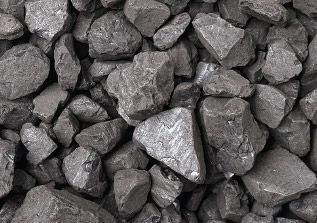
Large quantities of coal extracted from the mining site

The Background

A coal mining operation near Tumbler Ridge, British Columbia needed an environmentally responsible solution for housing large quantities of coal extracted from the mining site. The primary site is approximately 454,500 ft² (42,224 m²) and has been designed to prevent the infiltration of toxic chemicals from coal and byproducts into the soil.

Because of site specific requirements the mine required two additional large lagoons approximately 140,000 ft² (13,000 m²). The first lagoon is designed to house fresh water used in the mining process and the second lagoon is used for holding excessive groundwater created from the horizontal shaft being drilled in the side of the mountain.

The Challenge 

The site would experience extreme environmental conditions
The intended lifespan of the project is ten years and the unique location of the mine meant that the installation site would be exposed to wide ranging environmental conditions. In Northern British Columbia the site would experience temperatures ranging from a high of 95°F in the Summer months (35°C) and lows of -60°F (-51°C) in Winter months. Additionally, the site may experience up to 120 inches (300 cm) of snow load during heavy snow periods. These requirements meant that Intertape Polymer Group®’s (IPG®) AquaMaster® ArmorLiner™40 would be the perfect product for the job.

The Solution

For the coal containment pond, the design involved a detailed layering process. First the subgrade was smooth drum rolled and a 16oz/yd² (450 gsm) non-woven geotextile was installed with ArmorLiner 40 on top of it. Above the geomembrane was an additional 16 oz/yd² (450 gsm) non-woven geotextile and finally 18” (46 cm) of soil was placed on top.

For the freshwater lagoons, the subgrade was smooth drum rolled with ArmorLiner 40 geomembrane installed on top, but in these areas the geomembrane was left exposed. Each pond included two turbidity curtains across the 200' length to help settle out silt and solids in the water.

The IPG Advantage

The project was initially specified with the use of 40 mil HDPE. The ArmorLiner 40 was ultimately selected because of its superior physical properties, low cold crack numbers, and expedited installation.

ArmorLiner 40 was selected because of its
superior physical properties
By using ArmorLiner 40, approximately 90% of the seaming could be completed in advance at the BTL™ facility in Bend, Oregon. This translated to exceptional savings for the customer by reducing the amount of work that had to be completed in the field. The truckload quantities of prefabricated panels were being delivered sequentially while installation technicians were on site.

Moreover, Northern British Columbia is prone to snowfalls in September so the expedited installation reduced the risk of prolonged weather delays.*

*Over two feet of snow fell a few days after the installation!

Learn more about IPG’s AquaMaster products: Call 1-800-565-2000 or visit itape.com/aquamaster.


Wednesday, July 11, 2018

Case Study: ArmorPad 3NWLD

QUINCY COLUMBIA BASIN IRRIGATION DISTRICT (QCBID), WASHINGTON, USA 
Aquamaster Geomembrane - Basin Irrigation

The Background

Quincy Columbia Basin Irrigation District (QCBID) is one of three irrigation districts operating the Columbia Basin Project, which brings water resources to the Columbia Basin.

In 1902, Congress passed the Reclamation Act which authorized the construction of irrigation storage and delivery systems. This included projects for the Columbia Basin region. The Columbia Basin Project was set in motion by President Roosevelt with the construction of the Grand Coulee Dam, which began in 1933. A railroad was built to move materials and workers to the building site. Congress then authorized the Columbia Basin Irrigation Project in 1943 and the first water deliveries started in 1948.

The Project

Longer lasting, sustainable canals minimize the loss of water
Extending the Longevity of Critical Irrigation Canals and Reducing Costly Seepage

Today, because of canal expansions and additional pumping plants, the number of irrigated acres is over 680,000 in the Columbia Basin. In addition, the Columbia Basin Project provides power for millions of homes, controls flooding in the lower Columbia region, creates habitat for endangered species, and provides areas of recreation.  With water being such a vital component of life in the Columbia Basin, the QCBID has taken it upon themselves to provide longer lasting sustainable canals which will minimize the loss of this precious water and deliver it to the farmlands that need it. In 2009, QCBID entered into a coordinated water conservation plan with the East and South Columbia Basin Irrigation Districts and the Washington State Department of Ecology to conserve water and alleviate canal capacity.

The Challenge & IPG's Solution 

“Having a single piece of liner which covered the width
of the canal saved us time and money.”

–Halme Construction, Spokane, WA
When the project first began, QCBID was using a costly geomembrane, which was composed of a thin liner with a heavyweight non-woven glued to each side. QCBID approached Intertape Polymer Group’s (IPG®) ECP Division for a more cost effective and stronger solution. The solution was ArmorPad™ 3NWLD geomembrane liner.

IPG manufactures a wide range of woven reinforced geomembranes. ArmorPad 3NWLD is composed of a 5-layer system which is thermally bonded to provide some of the highest shear strength amongst liners on the market. It begins with strong, reinforcing scrim. Both sides of the scrim are bonded with impearmeable coatings creating a strong geomembrane  liner that is both durable and flexible. ArmorPad then has a unique non-woven bonded to both outside surfaces, providing higher puncture resistance and extended durability.

In the case of this project for QCBID, the non-woven also acts as a bonding surface for the concrete which is applied directly onto the geomembrane composite.

Repairing the QCBID canals is a tricky operation as work must be completed in a short time frame. The water is shut off in mid-October and the water needs to be turned back on in early spring. The time frame for the work to be completed is reduced further, because the winter snow and rain season make it difficult to schedule access to the site and install concrete. This was a major factor QCBID wanted to overcome and IPG delivered with their fabricated liner which is made to the exact dimensions of the canal, thus reducing the amount of time consuming field seams by more than 90%. The liner was also made easy to install with a hot melt adhesive to bond the large panels together. This was a huge advantage for Halme Construction who won this phase of the project, since they were able to complete the installation themselves and did not have to schedule another installer for the liner.

The Installation

3-bead hot melt adhesive applicator
Repair of the canal began in November, 2016 with the reshaping of the canal. Once the canal was reshaped the ArmorPad 3NWLD was installed. The liner was delivered to the site in rolls which were just over 40 feet wide and 300 feet long. The rolls were made to fit into the canal easily, with enough slack left for burying it in the anchor trench. First the contractor placed one side into an anchor trench on the edge of the canal and rolled the entire 300 feet of ArmorPad 3NWLD out. Once the liner was placed into the anchor trench a small amount of soil was backfilled into the first anchor trench to hold the liner in place and protect it from wind.

Installers then pulled the other side across the bottom of the canal and placed it in the adjacant anchor trench. The ArmorPad 3NWLD composite is flexible enough to fit around most corners, however on some of the corners which were closer to 90-degrees, the contractor left enough slack material to make a cut and fold it over. The panels of liner were overlapped approximately 1 foot and each overlap was shingled downstream. The direction of overlap is commonly overlooked when placing liners in canals and is one of the easiest mistakes to overcome! Halme construction had no issues with installing the liner in this manner. The next step was to connect each seam of the large panels together. A hot melt adhesive applicator was utilized. Each seam was completed with more than the recommended adhesive because of the ease at which the adhesive was applied. The hot melt adhesive unit heats the adhesive and pumps it through a nozzle, delivering three beads. The contractor would make 2-3 passes using this applicator for a strong, long lasting seam. Quality control was done on several of the seams and yielded higher peel and shear strength than most welded seams.

4” of concrete was applied over the top of the
ArmorPad Geomembrane Liner
The final step to extending the life of these canals was to apply 4” of concrete over the top of the ArmorPad 3NWLD. The durability of the ArmorPad with the special combination of non-woven and liner for this project allowed the contractor to install the concrete directly into the canal without damaging the liner. The non-woven also provides an excellent bonding surface for the concrete. Halme Construction developed a unique concrete application technique for the exact dimensions of the QCBID canal network. They built a concrete buggy which allowed them to install the concrete quicker than doing it manually. The concrete trucks could pull up to the buggy and dump their concrete. As the concrete was fed down into the canal the buggy was moved along with a single track hoe. The entire operation was completed ahead of schedule and is now helping to save water throughout the Columbia Basin.

So far, the QCBID has installed more than six miles of rehabiliated canals with an estimated water savings of more than 1,257,786,517 gallons - the equivalent of 1,904 Olympic swimming pools.

For more information on this project, and the benefits that IPG ArmorPad can provide for your site, you can visit IPG’s website at www.itape.com or speak with one of your local IPG representatives.

References:
QCBID - Quincy Columbia Basin Irrigation District
Halme Construction-Spokane, WA
Western Ag. Tolleson, AZ

Learn more about IPG’s AquaMaster products: Call 1-800-565-2000 or visit itape.com/aquamaster.

ArmorPad Geomembrane Liner

Tuesday, June 19, 2018

Case Study: ArmorLiner 45L

RECLAIMED WATER STORAGE POND, HOLLISTER, CALIFORNIA 
AquaMaster Geomembrane - Reclaimed Water Storage Pond

The Details 


Site ready for installation of geomembrane pond liner
  • Application: Reclaimed Water Storage Pond
  • Location: Hollister, CA
  • Product: AquaMaster® ArmorLiner™ 45L geomembrane pond liner
  • Quantity: 210,000 sf
  • Owner: San Benito County Water District
  • Engineer: Dahl Consultants Folsom, CA
  • Contractor: Auburn Constructors / ECApplications

The Customer 

The San Benito County Water District has a mission to preserve the economic and environmental health and well-being of San Benito County through the control, management, conservation of waters and the provision of water services in a practical, cost-effective and responsible manner. Therefore, they are taking a proactive approach to protecting the water throughout the area. Part of this approach was construction of a large pond to handle reclaimed water from surface water runoff.

Anchor trench at top of pond to hold liner in place

The Challenge 

As the pond is adjacent to the San Benito River bed, most of the soils are a sandy gravel with trace amounts of silt which would not hold water. The engineers decided the pond needed to be lined, so they could prevent the seepage of water outside of the pond. The liner would need to be durable and have high puncture resistance, as the soils contained large amounts of rocks. The liner also needed to have excellent strength properties, so it could survive the environment and hold up on the steepened slopes of the pond.

The Solution

Engineers needed to choose a product with excellent strength. They chose IPG®’s AquaMaster ArmorLiner 45L for just this reason. IPG’s AquaMaster ArmorLiner 45L was chosen for its strength-to-weight ratio and was the best option for preventing punctures while continuing to support and confine the water.

The IPG Advantage

Completed pond ready for water
IPG’s AquaMaster ArmorLiner 45L was also chosen because of its ability to be factory fabricated into large panels. This would reduce the on-site installation time and the need for additional costly field seams, which would help the project be installed quickly and on time. The product was installed in October 2016 and took only one week to install. The speed at which these liners can be installed help keep the project on time.

References:
John Dahl, Dahl Consultants Folsom, CA
San Benito County Water District, Hollister, CA
Mark Hargrove, GEI Engineering, Rancho Cordova, CA

Learn more about IPG’s AquaMaster products: Call 1-800-565-2000 or visit itape.com/aquamaster.


Wednesday, June 13, 2018

Case Study: NovaLiner 12

LATERAL REHABILITATION, EASTERN IRRIGATION DISTRICT, ALBERTA, CANADA 
AquaMaster Canal Liner Geomembrane

Preparing the canal for geosynthetic / geomembrane liner 

The Details 

  • Type of project: Installation of a fabricated canal liner – 5 miles per year 
  • Size of project: 1,350,000 ft² (125,000 m²) of AquaMaster® NovaLiner™ 12 black/black geomembrane liner
  • Fabricator: Inland Plastics or Layfield Environmental Systems
  • Contractor/Installer: Eastern Irrigation District (EID)

The Background 

The EID performs several projects annually on the infrastructure that they operate and this is a typical example. Lands adjacent to lateral 11B Springhill were being adversely affected by alkali contamination. The cause was water mounding.

Installing NovaLiner 12 geomembrane canal liner

The Challenge

Installation could not commence until after the summer irrigation season was over, which typically ends in mid-October. At this time of the year, frost and severe winter weather can occur. Due to those conditions, the installation needed to be fast and the material flexible enough to permit easy installation in cold weather. IPG® was able to meet all the requirements of the project with its AquaMaster NovaLiner 12.

The Solution

The vegetation in the old canal was removed and the sides and bottom of the canal were re-graded to one (1) foot below design grade. Sheets of AquaMaster NovaLiner 12 were placed in the channel and anchored in place using trenches on top of the banks. The liner was then covered with one (1) foot of armour gravel. For this project 42 panels 60' x 360' and 20 panels 45' x 500' were used, making it a quick and simple installation. Each panel weighed less than 1,000 lbs and was easily deployed by the crew. The design did not require field seaming, therefore panels were overlapped three (3) feet, backfilled and compacted which further shortened the installation time and eliminated the need of seam quality control on site.

Learn more about IPG’s AquaMaster products: Call 1-800-565-2000 or visit itape.com/aquamaster.


Friday, June 8, 2018

Case Study: NovaLiner 24

EAGLE FORD FRESHWATER FRAC POND, TILDEN, TEXAS 

Installation of AquaMaster geosynthetic pond liner

The Details 

The Background 

Eagle Ford Frac Water needed a durable containment liner to hold 2,000,000 barrels of fresh water for two Frac drills on-site. The excess water in pond is available for drilling companies in area to purchase for drilling or other needs as well.

The Challenge

With average annual rainfall at approximately 23 inches, water in the Eagle Ford shale is very scarce and in high demand. The general contractor hired a drilling company to tap 4000 feet into the aquifer to fill the Frac pond with brackish water for 2 on-site drilling rigs and to sell excess water to Oil and Gas companies in the area. Choosing a tough, durable lining system along with the best fabricator/installer was of the utmost importance to ensure that minimal water was lost after installation.

The Solution

Frac pond complete! NovaLiner 24 geomembrane
was installed in 12 hours! 
AquaMaster NovaLiner 24 was chosen due to its proven performance in puncture and hydrostatic resistance and ease of installation. BTL was able to factory fabricate five panels, 162' x 369' each (59,778 SF), and have rolls arrive and placed for deployment before mobilization. As the panels where deployed only four field seams were required saving valuable time and minimizing the need for quality control testing of field seams. 92% of the seams were done in the controlled environment of the installer’s factory, ensuring perfect seam quality. Installation was completed in 12 hours over 1 ½ days - fast installation was crucial due to variable high winds in the area that can gust up to 30 mph.

Learn more about IPG’s AquaMaster products: Call 1-800-565-2000 or visit itape.com/aquamaster.


Thursday, June 7, 2018

Case Study: ArmorLiner24

NEW EARTH SOILS & COMPOST, SAN ANTONIO, TEXAS 
AquaMaster geosynthetic geomembrane wastewater pond liner

The Background 

New Earth Soils & Compost is a family-owned business based in San Antonio, TX. Their Houston compost facility accepts dated fruits and vegetables from big box supermarkets and wood waste from tree and shrub trimming operations. The materials are then mulched into composts of varying coarseness.

In the fall of 2011, New Earth began contracting with several municipalities in the Houston area to accept the biomass solids generated from multiple wastewater treatment plants. When accepted, the solids are largely sanitary but require additional processing to ensure that all pathogens are removed prior to conversion to a compost.
Unwanted debris

The biomass must be combined with a carbon source and a nitrogen source to be converted to a compost. New Earth uses the fruit and vegetable matter as the nitrogen source and the tree and shrub mass as the carbon source.

The mixture must be maintained at 160°F. It is windrowed and turned periodically with a special, self-propelled machine acquired by New Earth.

The Challenge 

With the addition of biomass to the product mix at New Earth, the Texas Commission on Environmental Quality (TCEQ) required that the ground beneath the processing area be lined with a geomembrane. The TCEQ also required that a site-water storage detention pond be lined. New Earth had retained Camp, Dresser, McKee (CDM) to provide site design services. CDM elected to use a woven coated geomembrane because of the cost-benefit ratio and the ease and speed with which fabricated geomembranes can be installed.

The Solution

Fabricated ArmorLiner panels being unrolled and deployed
The contractor, LDF Construction, Inc., turned to Wright Lining Inc. Steve and Alan Wright have been installing geomembranes for over 32 years. Donald at LDF Construction, Inc. knew he could count on them for a speedy installation. Steve Wright contacted Stan Slifer with Watersaver Co., Inc. in Denver, CO for guidance on cost and fabrication of a woven, coated geomembrane. Watersaver has fabricated over two billion square feet of geomembranes and was able to provide a quick turnaround with information and material.

Watersaver recommended Intertape Polymer Group®’s  24 mil, polyethylene AquaMaster® product. Because ArmorLiner 24 geomembrane liner is a light, high performance fabric it can be fabricated into large panels. In this case, Watersaver fabricated several large-sized panels; most measuring nearly 1 acre in size (192’ x 200’ or 38,400 sf).

Watersaver was able to fabricate and ship finished panels within a week of the order, which met the owner’s and contractor’s short timeline. Tim Toohey, Watersaver’s Production Operations Manager, described the welding performance of the ArmorLiner 24 as “Beautiful.”

With the arrival of the panels on pallets, Wright Lining went straight to work deploying material.

LDF Construction, Inc. had spent the week preparing the pond and the pad for deploying the liner. This meant fine grading and ensuring that there were no objects larger than a fist exposed in the soil. Items like the stick and the rock shown on the previous page had to be removed. Once the pond and pad were inspected and approved the liner was deployed.

Timing was critical, in this case, because the site was hit with a severe thunderstorm immediately after the panels were laid. Donald Robson, LDF Construction, Inc., expressed his gratitude at the ability of Wright Lining, using ArmorLiner 24, to deploy 130,000 square feet in under four hours! The pallets were positioned according to plan. The panels were then pulled out using local labor. The ArmorLiner 24 was welded using Leister Twinny T hot-air welders.

Steve Wright typically works with thicker mil reinforced geomembranes. He was initially concerned that the 24 mil ArmorLiner 24 would be too light for this project. He found that the material welded extremely well and that the liner was “tough as nails!” Steve says he’s looking forward to working with the product again in the future. He said he particularly likes the fact that the ArmorLiner 24 seaming process is quicker than that of other geomembrane options. With their project completed on time and within budget with ArmorLiner 24, Rob Smith, General Manager at New Earth, concluded: “Oh man — that stuff’s awesome!”

Learn more about IPG’s AquaMaster products: Call 1-800-565-2000 or visit itape.com/aquamaster.


Wednesday, June 6, 2018

Case Study: NovaLiner 24

OKLAHOMA DEPARTMENT OF TRANSPORTATION PROJECT

The Details 

  • Type of Project: Construction of a 7-mile stretch of road along I-35 near Ardmore, Oklahoma
  • Size of Project: Approximately 630,000ft² of AquaMaster® NovaLiner™ 24 geomembrane liner
  • Traffic Information: Heavy traffic (I-35 is a major highway running North and South)
  • Duration: Approximately 2 years
Roadways expand and contract due to underlying moisture

The Challenge 

I-35 is a major highway running North & South from Laredo, Texas all the way up to Duluth, Minnesota. A seven mile stretch of the highway near Ardmore, Oklahoma is prone to undulations in the pavement, owing to expansive clay beneath the road surface. As the moisture content of the clay increases the clay tends to swell, which causes a non-homogenous expansion and contraction.

This area (known as the Ardmore basin) experiences frequent changes in moisture content depending on weather conditions and the situation is compounded by wild temperature variations between 0˚F in the winter (-18˚C) and 110˚F (43˚C) in the summer.

These undulations have a detrimental effect to the road surface and as a consequence, the I-35 has required several repairs in this area since its construction in the late 1960’s.

Stabilizing the road base with geosynthetics 

The Solution

Because I-35 is a heavily travelled major roadway for both passenger vehicles and heavy trucks, the Oklahoma Department of Transportation was looking for a long term solution to maintain the problem soils that had necessitated multiple repairs over the years. The use of a moisture barrier, to control the swelling in the clay subgrade, was ultimately selected based on the principle that by shielding the clay, the geomembrane would minimize the opportunity for significant moisture changes in the pavement subgrade.

AquaMaster® NovaLiner 24 exceeded the original specification and had several cost advantages over alternative materials. It was selected as the premier geomembrane because of its:

✔ Strength properties
✔ Water impermeability
✔ Lighter weight
✔ Portability
✔ Puncture resistance
✔ Soil stabilization on slopes
✔ Cost savings

Design Involved

To maximize moisture control AquaMaster geomembrane was laid down on a base of lime stabilized subgrade and would be covered with a layer of crushed stone. Continuously reinforced concrete pavement with a drainable base were placed upon the crushed stone.

NovaLiner 24 Geomembrane provided in prefabricated panels
The geomembrane was brought to the site in prefabricated panels that were between 48’ to 60’ wide and 200’ long and covered approximately 630,000 SF. The panels were heat seamed together to ensure a water tight membrane. The use of prefabricated panels ultimately saved time and money by reducing the number of seams that had to be welded in the field.

Learn more about IPG’s AquaMaster products: Call 1-800-565-2000 or visit itape.com/aquamaster.


Thursday, May 31, 2018

Case Study: NovaLiner 20

PRINCE WILLIAM COUNTY LANDFILL, MANASASS, VIRGINIA
Aquamaster Landfill Cover

The Details 

  • Type of project: Installation of a fabricated landfill cover 
  • Size of project: 338,400 FT² (31,438 M²) of Intertape Polymer Group® AquaMaster® NovaLiner 20 Black/White geomembrane liner 
  • Fabricator: Colorado Lining Inc. (CLI) 
  • Contractor: RM Sonderquist 
  • Installer: Hallaton, Inc. 
A durable landfill cover was needed

The Background 

Prince William County needed a durable cover for a landfill project that would be able to stand up to the harsh conditions over two years of exposure.

The Challenge

The municipality had a very rigid specification that required extensive testing and supporting documentation in order to demonstrate the long term viability of using an AquaMaster® product in such an application.

The Solution

By working closely with the fabricators, contractors and installers, IPG was able to offer the NovaLiner 20 which met the rigid requirements of the job site plus offered a 2-year warranty required by the project specification. With CLI able to fabricate and supply custom fitted panels to the installer enabling Hallaton, Inc. to seamlessly place the material in an efficient manner and time.

The end result was a product placed in the field that had cost advantages over alternative materials and offered exceptional:

✔ Strength properties
✔ Performance properties
✔ Longevity
✔ Puncture resistance
✔ Chemical resistance

Learn more about IPG’s AquaMaster products: Call 1-800-565-2000 or visit itape.com/aquamaster.